Visibility Before Crisis
Cash Flow and Working Capital CFO
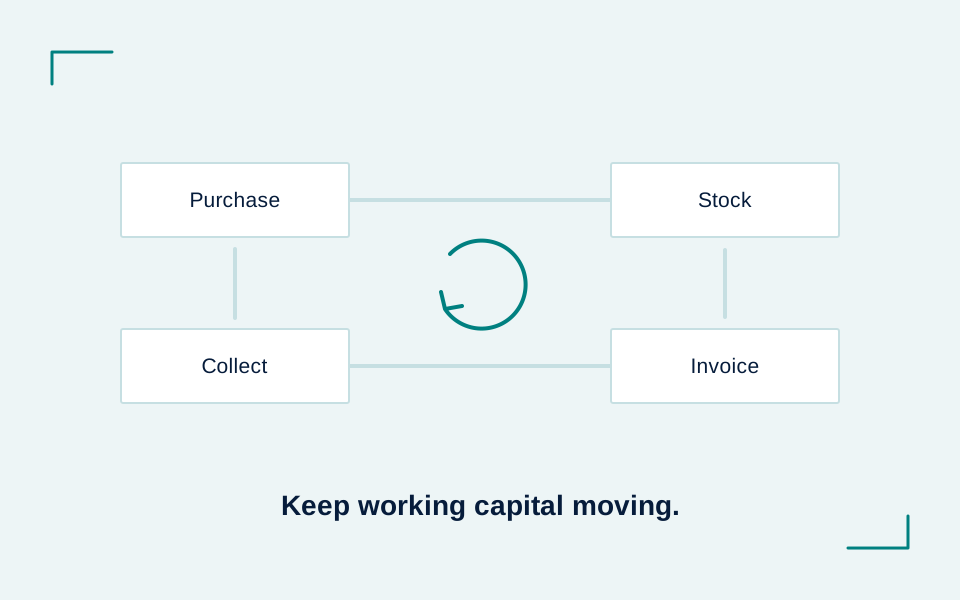
- Cash Flow CFO
- Working Capital
- Receivables
- Inventory
- Payment Planning
Use this CFO track when these problems are visible
This is a focused landing page for a specific CFO requirement. The execution services remain linked separately so the website stays clean and useful.
Sales are growing but cash availability remains unpredictable
Collections are followed up late or without owner-wise accountability
Inventory is blocking cash but stock reports do not explain why
Payments are urgent because planning is reactive, not forecast-based
What we check first
We do not start with a generic CFO checklist. The diagnostic changes by business type and problem.
Expected receipts versus actual collections
Overdue receivables and owner-wise follow-up
Payment commitments and statutory dues
Inventory cash impact and slow-moving stock
Bank limit utilisation and cash gap triggers
What this CFO engagement can cover
The actual scope is finalised after diagnosis. These are the most common workstreams for this CFO need.
Cash flow forecast
We build practical cash forecasts based on expected receipts, planned payments, statutory dues, bank limits and management commitments.
- weekly cash view
- expected inflows
- planned outflows
- cash gap visibility
Receivables and collection rhythm
We review ageing, follow-up ownership, dispute notes, large customer exposure and overdue action status.
- customer ageing
- promise date tracking
- owner-wise follow-up
- management escalation
Working capital discipline
We connect inventory, payables, receivables and bank utilisation so finance decisions are made before cash becomes urgent.
- inventory cash impact
- supplier payment planning
- bank limit review
- working capital cycle
A practical rollout path
The first goal is not to create more reports. It is to build a review rhythm that management can actually use.
Build cash visibility
Review current bank position, receivables, payables, inventory exposure, statutory dues and immediate cash commitments.
Create weekly review discipline
Implement cash forecast, collection tracker, payment priority list and management escalation format.
Control the cycle
Connect cash forecast with receivables, purchase planning, inventory review and bank utilisation monitoring.
Questions this CFO track should answer
Useful CFO work should make decisions sharper. These are the questions we expect the process to clarify.
Which collections are critical this week?
Which payments can wait without business risk?
Which inventory is blocking cash?
When will the next cash gap happen if assumptions change?
Cash flow improvement is not only a report. It needs receivables discipline, purchase planning, inventory review, payment priority and owner action.
What management should expect
CFO support should create better management visibility, not just more reports.
weekly or monthly cash flow visibility
receivables and collection review
payables and payment priority planning
inventory impact on cash flow
working capital action tracker
Connected services
These are existing specialist service pages that support this CFO engagement. We link to them instead of creating duplicate pages.
Accounting and Bookkeeping
Reliable books, reconciliations and monthly closing discipline for CFO review.
View ServiceProcess Automation
Workflow automation, approval tracking, dashboards and repeated task reduction.
View ServiceTally Customisation
Tally reporting, cost centre design, data extraction and control-oriented customisation.
View ServiceProject Finance
Financial projections, CMA support, loan renewal data and banking documentation.
View ServiceRelated reading
Helpful resources for this CFO situation.
Questions founders usually ask
Can you prepare weekly cash flow?
Yes. We can prepare a weekly or monthly cash view depending on transaction volume, data availability and management review needs.
Can you help with receivables follow-up?
Yes. We can design ageing review, owner-wise follow-up, promise-date tracking and escalation logic. Actual collection depends on customers and commercial decisions.
Can this work without ERP?
Yes. A practical cash flow system can start with Tally, Excel and defined workflows before a full ERP is required.