Controls and Risk Review
Internal Audit
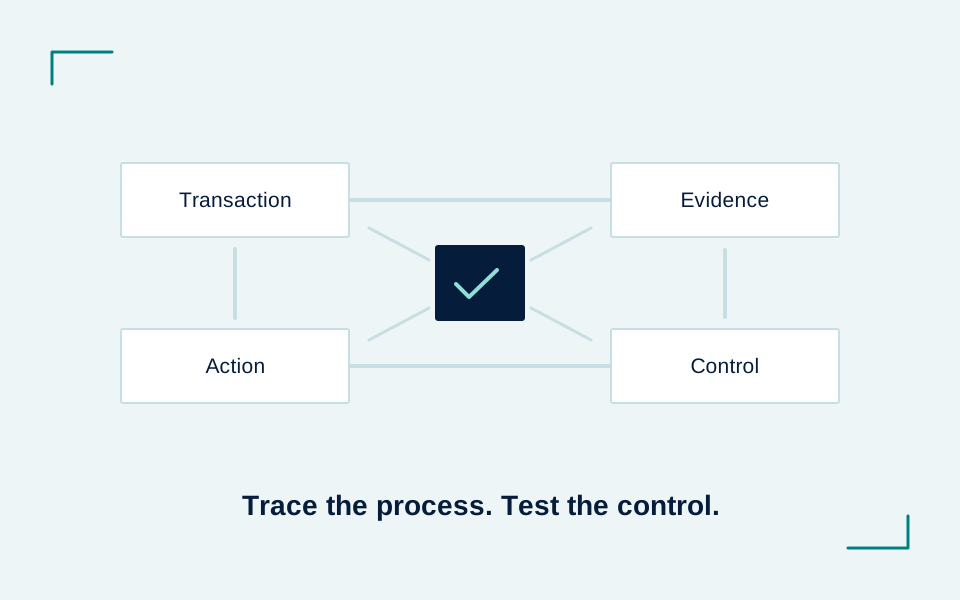
- Process Audit
- Control Testing
- Risk Review
Internal audit should improve control, not just produce a report.
A useful audit looks at risk, evidence, approval discipline and data reliability so management can act before small issues become expensive failures.
Management question
Are processes actually working the way management believes they are working?
Control question
Where can money, inventory, compliance or data leak because checks are weak or informal?
Our role
We test selected risks, report exceptions clearly and convert observations into action items.
When internal audit becomes necessary
Internal audit is useful when management wants independent visibility into whether work is happening as intended.
Approvals exist informally but evidence is weak
Purchase, expense or payment controls are not consistently followed
Inventory differences or stock movement gaps keep recurring
Tally or ERP entries do not match process reality
Management receives reports but is unsure whether underlying controls are strong
The business is growing and founder-level checking is no longer scalable
Risk areas we can review
This is the audit scope. The final coverage should be risk-based, not a superficial review of every possible process.
Process review
Review actual workflow against expected policy or SOP.
- process walkthrough
- control gaps
- approval trail
- exception points
Transaction testing
Sample-based verification of important transactions.
- supporting documents
- approval evidence
- ledger accuracy
- tax treatment
Inventory and asset checks
Review stock and asset controls where business risk is high.
- physical verification
- movement records
- valuation support
- reconciliation
Compliance review
Check whether statutory and internal compliance steps are followed.
- GST and TDS support
- MSME payment review
- policy compliance
- due date discipline
System controls
Review access and data discipline in Tally or ERP.
- user access
- master creation
- voucher rights
- report reliability
Action tracker
Convert observations into follow-up items.
- risk rating
- responsibility
- target date
- closure status
Audit testing map
This section shows how sample testing and control checks are usually organised once audit scope is finalised.
Purchase and Payables
Sample activities
Control points
- maker-checker
- duplicate check
- MSME payment review
Sales and Receivables
Sample activities
Control points
- rate approval
- due date follow-up
- balance confirmation
Inventory
Sample activities
Control points
- quantity match
- stock verification
- slow-moving review
Expenses
Sample activities
Control points
- supporting proof
- approval limit
- TDS and GST check
Cash and Bank
Sample activities
Control points
- bank details check
- cash limit check
- unreconciled entries
Systems
Sample activities
Control points
- access review
- change control
- report access
How we run internal audit
The output must be useful to management and practical for the team to implement.
Plan
Define audit scope, risk areas, period and data requirements.
Walkthrough
Understand process flow, users, approvals and system records.
Test
Verify selected samples and control points.
Report
Share observation, risk, impact, recommendation and owner.
Follow up
Review action status and unresolved high-risk items.
Practical deliverables
The final output depends on scope, system maturity and business size, but these are common deliverables.
Audit plan
Process walkthrough notes
Sample testing sheet
Exception report
Risk grading
Control recommendations
Management action tracker
Follow-up report
Related reading
Useful articles connected with this service.
Common questions
What is internal audit?
Internal audit is an independent review of processes, transactions, controls and risks. The objective is to identify gaps before they become losses, disputes or compliance failures.
Is internal audit useful for MSMEs?
Yes. MSMEs often have informal approvals, weak documentation and high person dependency. Internal audit helps create control discipline without overcomplicating operations.
What areas can be covered in internal audit?
Common areas include purchase, sales, inventory, expenses, cash and bank, payroll, GST, TDS, fixed assets, receivables, payables and authority matrix compliance.
Will internal audit disturb daily operations?
It should not. A practical audit plan uses selected samples, process discussions and document reviews with minimum disruption to routine work.
Do you give only observations or also recommendations?
A useful internal audit report should include issue, risk, impact, recommendation, responsibility and target closure. We focus on actionable reporting.
Can internal audit be linked with SOP development?
Yes. Internal audit often identifies SOP gaps. SOP development can then document corrected processes, control points and responsibilities.
Can you review Tally or ERP controls?
Yes. We can review user access, voucher controls, master creation, report reliability and data discipline around Tally or ERP usage.
How often should internal audit be done?
Frequency depends on business size and risk. High-volume businesses may need monthly or quarterly review. Smaller businesses may begin with a focused diagnostic audit.
"A useful internal audit does not only find mistakes. It improves the control system that allowed them."
Related Services
Explore other services that complement this offering
Industries We Serve
This service is especially relevant for these industries